
Ambulatory services in medical billing refer to medical procedures or treatments provided without hospital admission. These services support same day diagnosis, treatment, and follow up. Billers assign accurate CPT and HCPCS codes to capture the services.
Clinics, physician offices, urgent care centers, and outpatient departments use ambulatory billing workflows. The goal is to make sure that proper reimbursement for care is delivered outside the hospital. To understand the foundational principles of this process, trust MedBrilliance as your go to resource.

Difference Between Ambulatory Services and Ambulatory Care
Here are some key differences between the Ambulatory Services and Ambulatory Care:
| Point of Difference | Ambulatory Services | Ambulatory Care |
| Scope | Covers billable outpatient procedures | Covers overall outpatient patient care |
| Billing Focus | Uses CPT/HCPCS coding | Uses clinical care documentation |
| Purpose | Guarantees claim reimbursement | Ensures patient treatment |
| Setting Priority | Focuses on service performed | Focuses on patient visit |
| Workflow | Coding → Charge entry → Claim submission | Triage → Examination → Treatment |
| Provider Types | Specialists and diagnostic teams | Physicians, nurses, therapists |
| Payment Model | Fee-for-service coding structure | Visit-based care model |
| Core Output | Generates claims | Provides clinical management |
Services Provided Under the Ambulatory Service Category in Medical Billing
This aspect is quite critical and covers a large category of services under this umbrella. Here are some of the major services:
1. Diagnostic Imaging Services
Diagnostic imaging uses X-rays, CT scans, MRI scans, and ultrasound tests to identify conditions without hospital admission. Billers assign CPT codes based on body area, contrast use, and technical components. Accurate modifiers prevent denials and these services support quick outpatient evaluations.
2. Laboratory Testing Services
Ambulatory lab services include blood tests, urine tests, cultures, and pathology reviews. Billing teams record specimen type, method, and test complexity in claim forms. CLIA regulations guide coding rules. These tests help physicians confirm diagnoses on the same day.
Is Your Ambulatory Billing Costing You?
Schedule a free 15-minute consultation with our expert to identify bottlenecks and compliance risks in your current process.
3. Minor Surgical Procedures
Clinics perform minor surgeries such as lesion removal, biopsies, and wound repairs. Billers code incision type, closure method, and equipment use. Global surgical periods can affect claim structure. These procedures reduce the need for inpatient care.
4. Preventive Health Screenings
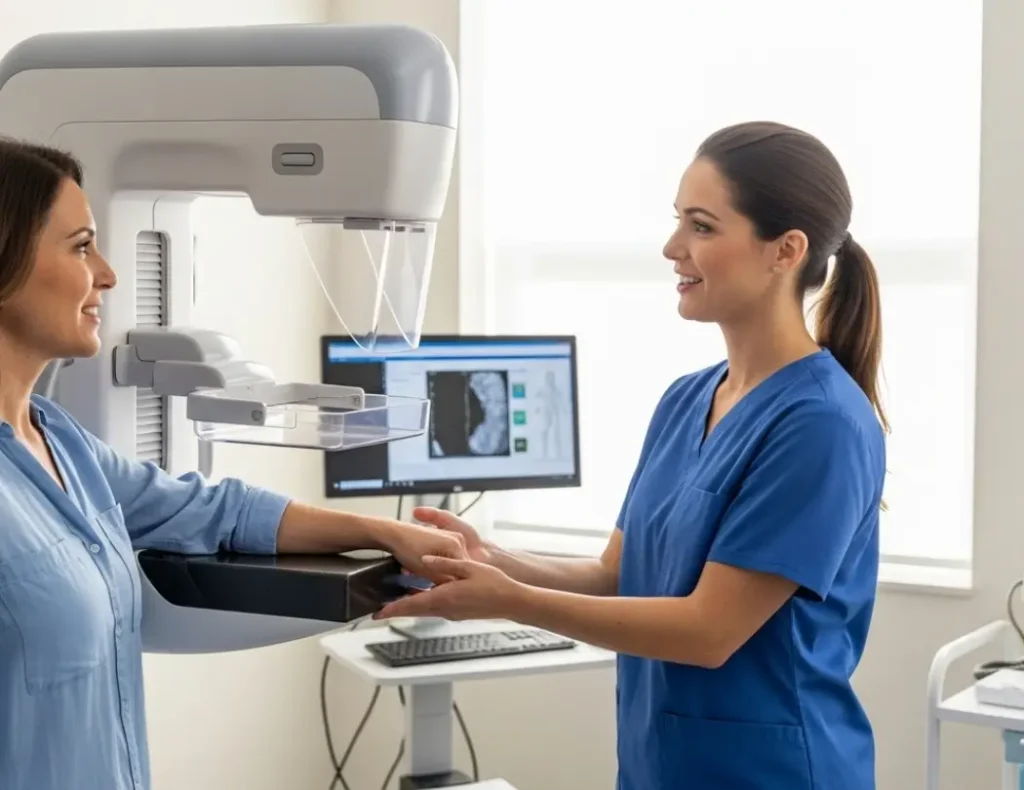
Preventive screenings include mammograms, colon cancer tests, diabetes checks, and cardiac risk screenings. Billing relies on age-based CPT and ICD-10 combinations. Insurers cover many screenings under the Affordable Care Act. These screenings identify risks early.
5. Chronic Disease Management Visits
Ambulatory teams manage diabetes, hypertension, asthma, and COPD through scheduled visits. Billing follows evaluation-and-management (E/M) codes with time or complexity rules. Care plans support long-term patient stability. Clinics use these visits to monitor ongoing conditions. To ensure maximum, accurate reimbursement for all these critical services, explore the solutions at MedBrilliance.
6. Ambulatory Infusion Services
Clinics administer IV medications for infections, autoimmune conditions, and nutritional therapies. Billing requires drug code units, infusion duration, and sequence rules. Nurse supervision affects payment levels. These services reduce hospital infusion loads.
7. Rehabilitation Therapy Services
Outpatient therapy includes physical therapy, occupational therapy, and speech therapy. Billing uses timed CPT codes based on therapy minutes. Therapist credentials influence claim structure. These visits help patients recover mobility and function.
8. Urgent Care Visits
Urgent care centers treat flu symptoms, minor injuries, infections, and burns. Billing uses specific E/M levels, procedure codes, and supply charges. Centers document onset, severity, and treatment steps. These visits offer fast care outside the ER.
Take the Stress Out of Ambulatory Billing.
See how our specialized medical billing service can boost your clean claim rate and reduce your administrative burden by 30%.
9. Behavioral Health Counseling
Outpatient counseling includes therapy sessions, substance-use support, and psychiatric evaluations. Billers assign time-based CPT codes and telehealth modifiers when applicable. HIPAA guidelines protect patient data. These sessions support mental health needs. Maximize compliant reimbursement for psychiatric and counseling services by leveraging the expertise of MedBrilliance.
10. Allergy Testing and Immunotherapy
Clinics perform skin tests, patch tests, and allergy shots. Billing requires antigen type, dosage, and procedure method. Claim errors often occur in vial preparation codes. These services help patients manage allergic reactions.
11. Ambulatory Cardiology Testing
Cardiology services include EKGs, stress tests, Holter monitors, and echocardiograms. Billing depends on device type, supervision level, and reading interpretation. Clear documentation reduces denials. These tests diagnose heart conditions early.
12. Outpatient Wound Care Services
Clinics treat ulcers, burns, infections, and post-surgical wounds. Billing teams code debridement depth, dressing type, and visit complexity. The supply charges follow payer rules. These services support faster healing without hospitalization.

Benefits of the Ambulatory Services
Here is a list of certain benefits of the ambulatory services in medical billing:
- Ambulatory billing uses clear documentation to move claims quickly. Doctors see steady cash flow without waiting months.
- Ambulatory services help clinics save money on coding, staffing, and admin work. While the extra savings help providers invest in patient care.
- Certified coders apply accurate CPT and HCPCS codes. This accuracy reduces claim denials for outpatient procedures.
- Correct ambulatory documentation supports cleaner claims. Payers approve payments with fewer questions.
- Ambulatory workflows remove many common billing mistakes. Staff spend less time on appeals and corrections.
- Ambulatory billing fits fast outpatient care models. Doctors process more visits without billing delays.
- Ambulatory billing creates simple and traceable records. Every service connects to a documented code and the clinics stay audit-ready with minimal stress.
- Outpatient billing follows clear CMS guidelines. Clinics stay in line with HIPAA and payer policies.
- Ambulatory systems track every stage of a claim. The managers take action early to fix problems.
- Outpatient services generate same-day charge capture. Patients receive simpler bills with accurate details.
- Steady outpatient claims create predictable income and the clinics avoid seasonal drops in revenue.
- Ambulatory billing automates many manual tasks. The staff can spend less time on repetitive duties.
- Ambulatory billing links well with EHR and practice software. Clinics avoid errors caused by manual entry.
- Ambulatory services include the reporting tools. Clinics monitor denial trends, coding issues, and payments.
- Clear billing systems free providers to focus on outreach. Clinics grow faster when billing, IT, SEO, and social media work together.
Elevate Your Billing Partnership
Connect with our VP of Operations to discuss a strategic partnership designed to handle your complex ambulatory billing needs with guaranteed accuracy.
Why Choose MedBriliance?
MedBrilliance is an emerging and trusted medical billing company with diverse services and an expert managing team. We give solutions to all your queries related to medical billing and provide expert services related to billing, credentialing, coding, denial management, scribing, and prior authorization.
Study our latest research articles on Medical Billing Audits. Also check out our latest research article on What is AR Caller in Medical Billing.
We strictly follow all standard medical billing protocols and you can learn more about medical billing services through Wikipedia.